A Guide to Choosing Stair Lifts: Everything You Should Know
February 2, 2026Individuals with mobility issues within their own homes (whether that stems from being older, being hurt, or having a disability) can find it very challenging to do daily activities that involve stairs. The emotional impact of not being able to go to certain parts of the house is high, as well as being physically harmful. A lift for stairs is a practical way to give someone with mobility issues better access to a multi-level house.
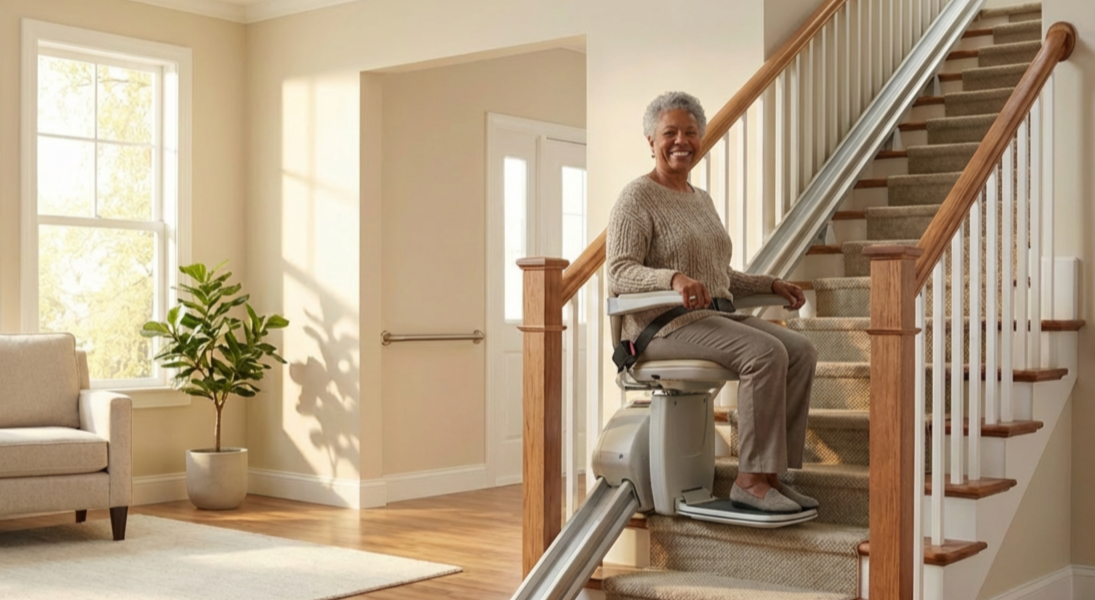
A stair lift is a motorized chair that slides along a rail that is attached to your staircase. The stair lift is designed for the user’s safety while they are moving between two levels of your home, providing critical connection from one floor to another. Although originally designed for senior citizens, many individuals also use stair lifts due to decreased mobility from long-term illness, surgical procedures, neurological problems, or temporary disability.
The most important reason for using a lift for stairs is to reduce the risk of falling. Falls are the leading cause of injury among older adults, according to research from the National Library of Medicine. A lift for stairs will prevent an individual from falling, therefore improving their mobility to move freely about their house and possibly needing less assistance from a caregiver.
Assessing Your Needs
Deciding on whether a stair lift would work best for you requires an honest assessment of where you are and how your home exists. A lift for stairs allows people who have trouble climbing stairs because of tiredness or pain to easily and comfortably access their homes again.
Some individuals may have issues with balance or weakness, can have only a few steps at a time, or may require wheelchair access. To that end, ramps or vertical platform lifts could be better choices in those instances.
The type of staircase also needs to be considered when looking at a lift for stairs. Straight staircases are easier and less expensive to accommodate with stair lifts, whereas curved and multiple landing staircases require custom rail systems and much longer times to install.
There are many other factors to consider when deciding on a stair lift, including function, user comfort, and convenience. For instance, if a person has difficulty transferring from a wheelchair and back to a chair, they might be better suited for a platform lift. Whereas people who can sit comfortably and have no difficulty with transferring may use stair lifts since they provide the most space-efficient and cost-effective solution.

Psychological and Social Benefits
Stair lifts have benefits that extend beyond just the physical. One of the major benefits is being able to access all areas of your house. For people who have experienced the inability to access their second level or basement due to accessibility problems, this can be a huge blow to their sense of freedom and well-being, leading to decreased quality of life. It’s important to keep in mind that most bedrooms and bathrooms are located upstairs.
Patients with frequent falling incidents or a fear of falling are more likely to withdraw socially, live in anxiety, or suffer depressive disorders. Conversely, regaining access to your home after installing a stair lift restores autonomy, enhances self-esteem, and enables greater spontaneity in family and community involvement. Commonly referred to as “aging in place”, this breakthrough is associated with improved emotional health and longevity of independence.
Beyond safety, there is growing recognition of the broader psychosocial effects of home accessibility improvements. A study published in the Occupational Therapy Journal of Research found that home modifications such as stair lifts, ramps, and accessible bathrooms were associated with increased confidence, improved emotional well-being, and greater social engagement among users. Participants reported feeling more empowered and less dependent on others, with some even resuming previously avoided activities like hosting family or visiting upstairs rooms. For those wishing to age in place, a lift for stairs serves not only as a physical support system but also as a catalyst for maintaining independence and staying connected to daily life at home.
Expert Tips and Checklist
If you are contemplating installing a lift for stairs in your home, here are the major concerns to consider during your research/consultation process:
- What kind of staircase do you have (i.e., straight, curved, narrow)?
- What is your user’s degree of mobility (i.e., how can the user safely get in/out of the chair)?
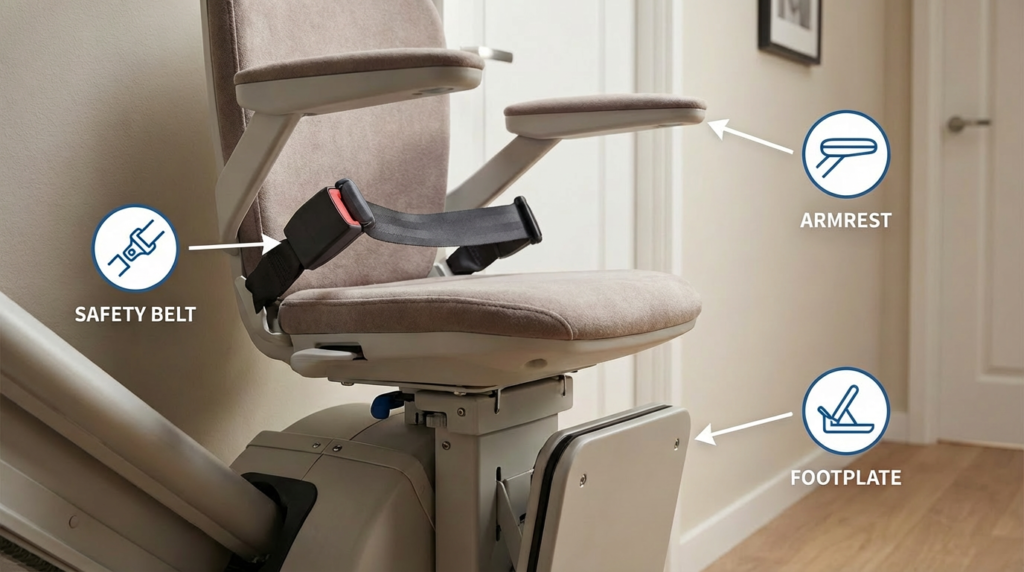
- Do all safety features work properly (i.e., seat belts, obstruction detection sensors, battery back-up)?
- Can the unit be folded away, thus avoiding obstructing the stairs when it is not in use?
- How much weight can the stair lift safely support?
- Is there a warranty and/or maintenance plan available?
- Do they offer financing options?
Final Thoughts: Your Quality of Life and Aging in Place
As our population ages, stair lifts have become an increasingly important element in the movement to keep older individuals in their homes. A lift for stairs allows aging individuals to remain in familiar environments longer, maintain access to all parts of their homes, and avoid the emotional and financial costs associated with moving or downsizing.
Sometimes, stair lifts are part of a broader home modification process that includes grab bars, ramps, better lighting, and bathroom upgrades. These changes together create a safer, more accessible environment in which people can continue to enjoy quality of life.
Research has shown that home modifications can be used to decrease fall-related hospital admissions and increase quality of life. By restoring mobility and reducing risks, a lift for stairs provides convenience and peace of mind to the user and to his/her family members.