
How to Install a Stair Lift: A Step-by-Step Educational Guide
April 6, 2026Installing a stair lift in your home can be an important upgrade for many reasons, especially when it comes to safety, accessibility, and independence. What was once a simple daily task can turn into a serious safety concern.
The good news is that modern stair lifts are designed to be efficient, minimally invasive, and adaptable to a wide range of home layouts. Whether you’re researching options for yourself, a parent, or a client, knowing what goes into the stair lift installation process can help you make a confident, informed decision.
In this guide, we’ll walk you through everything you need to know for the installation process- from the basic components of a stair lift system to a clear, step-by-step breakdown of how installation works.
Quick Overview: How Stair Lift Installation Works
A stair lift is a battery-powered chair that rides on a track (rail) mounted on your staircase that allows users to travel safely from one floor of their home to the next without the need to climb stairs. A stair lift comprises three components: a track (rail), a powered chair by battery, and chair controls.
Unlike what many assume, stair lifts are installed directly onto the stair treads, not the wall. This makes them suitable for most homes without major structural changes.
Why Stair Lifts are Important for Home Safety?
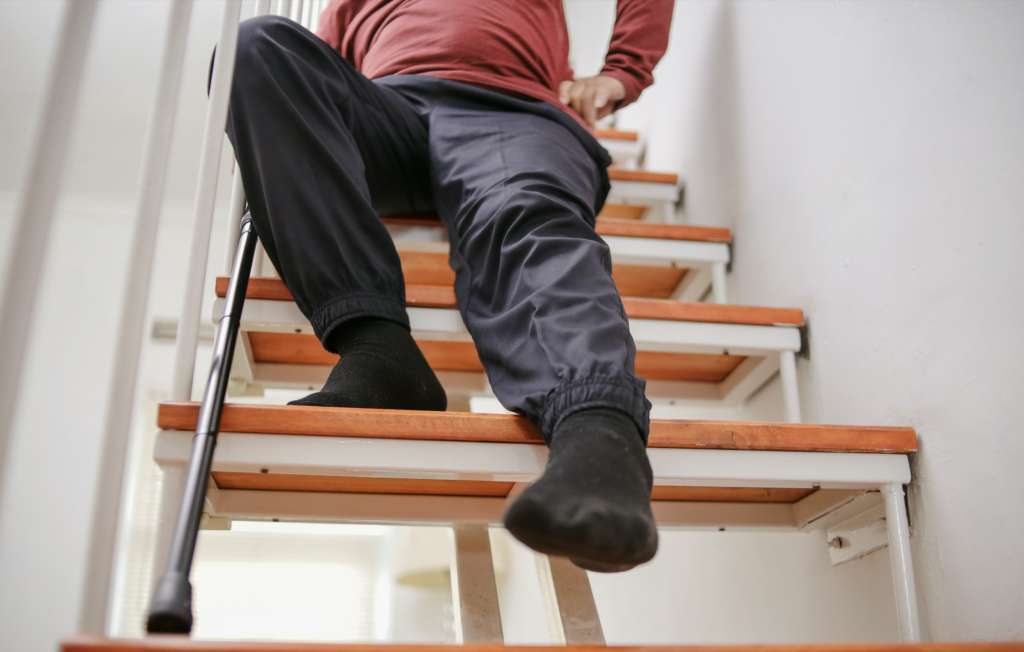
Stairs are one of the most hazardous areas of any home, particularly for seniors. According to both the Centers for Disease Control and Prevention and the World Health Organization, falls are one of the top causes of injury to seniors. Stair lift installation can help seniors avoid serious injuries while continuing to live independently at home.
Tools Required for DIY Stair Lift Installation
Before installing your stair lift, it’s important to understand the components involved.
- Rail (track) system mounted to the stairs
- Motorized chair with seat-belt and controls
- Battery or direct power supply
- Call/send controls for remote operation
Additional Equipment Used During Installation
- Mounting brackets and hardware
- Drill and measuring tools
- Anchors for secure attachment
Safety Standards to Be Aware Of
Stair lifts should provide consistent performance and safety for all users. Refer to the U.S. Access Board guidelines for Accessibility for more information on ensuring accessibility, and visit UL Solutions for certification of the safety and performance of products.
Step-by-Step DIY Stair Lift Installation
Understanding the stair lift installation process helps you know what to expect, whether you’re doing research or planning a professional install.
Step 1: Measure Your Stairs. Measure the length, width, and slope/angle of your stairs; this measurement will determine if your stair lift should be straight or curved, as well as ensuring that your rail will fit properly.
Step 2: Install the Rail System. The rail is attached directly to the stair treads using brackets. It must be aligned precisely to ensure smooth and safe movement.
Step 3: Mount Chair to Rail. Once the rail has been secured, you may attach the motorized chair to the rail. This should be the time to check the features of the stair lift for proper operation, such as the swivel seat and folding footrest.
Step 4: Power and Battery Connection. Majority of stair lifts are powered from a standard electrical outlet and also contain a battery backup. This is essential for continued operation even during power outages.
Step 5: Test Safety Features. All safety features should be tested. This comprises checking seat-belts, testing sensors that detect obstructions, and checking the smoothness of starting and stopping. Proper testing is essential to prevent accidents and ensure reliability.
For additional context on fall prevention during stair lift setup, the National Council on Aging highlights the importance of reducing hazards in the home.
When to Call a Professional Stair Lift Installer
- If your stairway is curved or narrow
- If you require a custom stair lift or require a heavy-duty stair lift
- If the safety of the stair lift is your highest priority
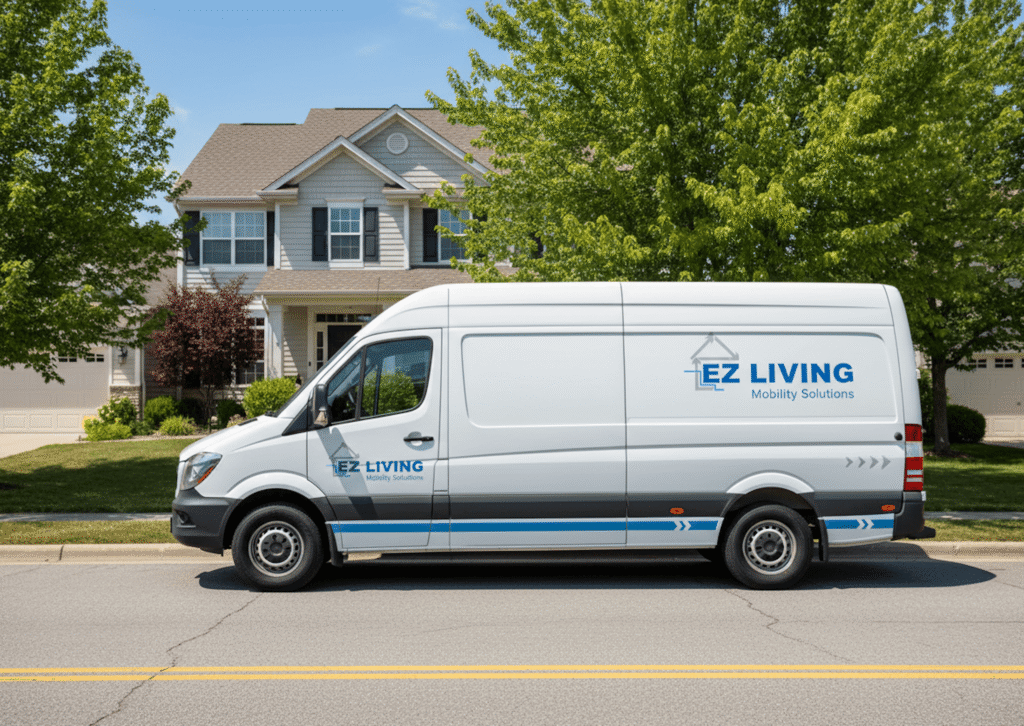
The main advantage of hiring a professional stair lift installer is ensuring it is set up correctly, meets safety standards, and operates reliably over time. A professional stair lift installer also provides peace of mind knowing the lift has been installed by trained experts.
Companies like EZ Living Concepts emphasize in-house, factory-trained technicians and certified equipment to ensure every installation meets strict safety and accessibility standards. This level of expertise can make a significant difference in long-term performance and user safety.
Final Thoughts: The Safest Way to Install a Stair Lift
The installation process of a stair lift involves careful measurement, proper mounting, and thorough safety testing. While it may seem straightforward, the risks associated with improper installation make professional service the safest option for most homeowners.
If you’re considering a stair lift, taking the time to ensure it’s installed correctly is one of the most important steps toward creating a safer, more accessible home. EZ Living Concepts offers expert advice and support when researching home lift systems. Call us today at 610-583-9000 or email us at sales@ezlivingconcepts.com to schedule a complimentary visit to evaluate your home and to learn more about a stair lift setup for your home.