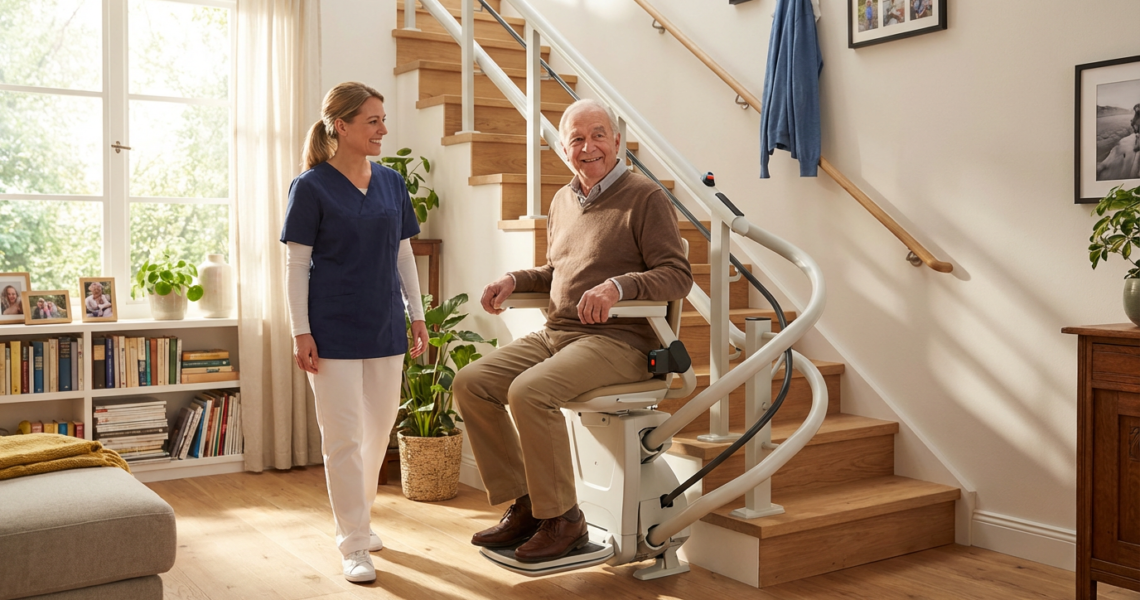
A Complete Guide to Stair Lifts for the Elderly: Ensuring Home Safety
January 20, 2026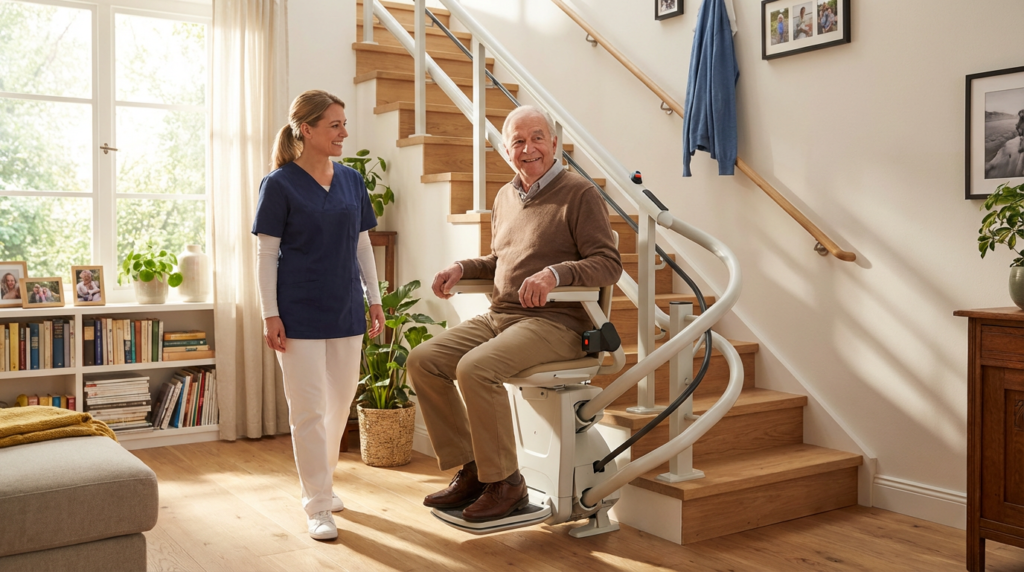
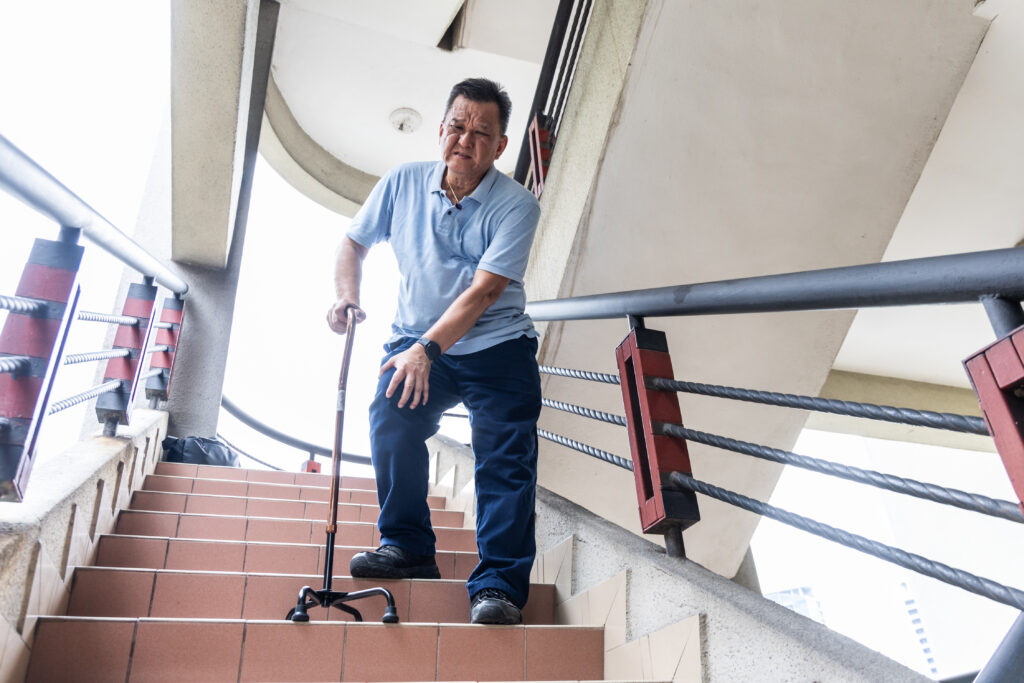
As we grow older, our homes change from having a sense of safety and familiarity to having many hidden hazards as we age. One of the most hazardous areas of the home for seniors is going up or down stairs. According to the Centers for Disease Control and Prevention (CDC), falls are the number one cause of injury in older adults, and stairs are a large percentage of these types of accidents. One misstep can mean significant injury, hospitalization, and loss of independence, to name a few.
Stair lifts for elderly have become an important solution for the elderly to maintain their home safely. This article will provide an evidence-based overview of Stair Lifts, including the reasons why they work, how they support the mobility of the elderly along with their independence and mental well-being, as well as their ability to remain in their own home.
What Research Says About Stair Falls and Aging
Aging has an impact on muscle strength, balance, vision, and reflexes, all of which are important to stair navigation safety. One study completed by the National Library of Medicine (NLM) states that “because of their complexity and their physical and mental demands on the user, stairs are one of the more dangerous areas for older adults to navigate safely”.
Many older adults do not realize or recognize their own risk and may feel embarrassed to ask for assistance. However, the most effective fall prevention is to implement prevention strategies early. Experts recommend modifying the home environment to make it safer for older adults, and therefore, stair lifts for elderly users should be included when looking to age in place. In addition, studies show that stair injuries usually happen during normal scenarios and the typical surroundings where stair injuries happen.
Stair lifts for elderly are a type of assistive device and are powered by electricity, which makes them easy to operate by seniors and others with mobility limitations. A significant amount of research demonstrates that assistive devices like stair lifts help reduce falls, increase confidence, and therefore lead to a higher level of safety. Stair lifts allow people to perform their activities of daily living without placing additional physical strain on their bodies because they alleviate some of the physical exertion involved in using regular stairs. This is particularly important for older individuals who have conditions such as arthritis or cardiovascular disease.
Evidence on Quality of Life and Independence
In addition to providing physical safety for older individuals, stair lifts for elderly provide their users with a greater sense of psychological comfort. The Journal of Aging Research published a review that indicated that one of the major psychological benefits of using a stair lift is the ability for an older person to “age in place.” This term defines the concept of remaining in one’s home, surrounded by family, friends, and familiar social support systems. By empowering an individual with autonomy, that person can experience greater quality of life and dignity.
Additionally, users of mobility assistance devices, such as stair lifts for elderly, report that after eliminating barriers, they have higher levels of motivation to engage in the good things in life, such as activities and hobbies, than prior to removing these barriers.
Practical Safety Tips Beyond Stair Lifts
While stair lifts for elderly can provide tremendous benefits to many people with mobility limitations, they are only part of an overall safety strategy for the home and a support for seniors living independently. Other safety recommendations include:
- Enabling better illumination of all stairways
- Using non-slip tread or carpet on stairway steps
- Installing handrails on both sides of all stairways
- Clearing away clutter, trip hazards, and other safety hazards at all stairway entrances
- Increasing routine health assessments to monitor an individual’s visual acuity, balance, and the occurrence of falls (this includes medication reviews)
For older adults with dementia, the proper professional installation, routine maintenance, and education on the correct usage of stair lifts for the elderly will be critical. Caregivers can support seniors with dementia by offering supervision and additional safety measures to prevent misuse of stair lifts for elderly individuals.
According to a study published in Disability and Rehabilitation: Assistive Technology, research has shown that as a group, seniors with cognitive restraint do appear to be able to use stair lifts safely; however, seniors with cognitive restrictions can have issues with using the stair lifts properly for their controls, seat belts, etc.
In these situations, we would suggest using stair lifts for elderly individuals that have remote control operation or using them under supervision. Always seek guidance from a healthcare professional when providing assistance to an individual with cognitive limitations.

Final Thoughts: What the Evidence Tells Us
Stair lifts are not only a tool of convenience but also supported by research to promote aging in place, limit the risk of falling, and aid in providing individuals with their freedom, confidence, and safety to remain independent. Studies prove that when combined with home modifications and proactive health planning, stair lifts for elderly users will change your life.
If you or a loved one are beginning to have issues with steps, don’t look at stair lift installation as a negative, but rather as a way to maintain independence, dignity, and safety.
EZ Living Concepts offers expert advice and support when researching home lift systems. Call us today at 610-583-9000 or email us at sales@ezlivingconcepts.com to schedule a complimentary visit to evaluate your home and to learn more about a stair lift for your home.